Founders
Founders & Influences
Eihei Dogen
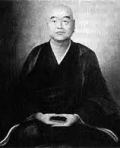
Dogen (1200-1253)– Respectfully referred to as Dogen Zenji, was a key figure in the development of Japanese Zen practice and the founder of the Soto Zen sect and author of the highly influential Shobogenzo.
Dainin Katagiri, Roshi

Dainin Katagiri, Roshi – Came to the United States in 1963 after training at Eiheiji Monastery, founded by Dogen Zenji. Katagiri Roshi worked with the Soto Propagation and Research Institute and then for the Soto Headquarters Office in Tokyo. He practiced and taught at the Zenshuji Soto Zen Mission in Los Angeles, later moving to Sokoji Soto Zen mission and then to San Francisco Zen Center, where he assisted Suzuki, Roshi. In 1972 he became the first abbot of Minnesota Zen Meditation Center in Minneapolis. He returned as abbot of San Francisco Zen Center between 1984 and 1985, then returning to Minneapolis. His books include Returning to Silence (1988) and You Have to Say Something (1998).
“My basic memory of Katagiri (1928-1990) is of how he paid total attention to what was in front of him. He took care of each thing as if it were the most important thing in the world, whether it was throwing away some trash or talking to another person.” ~ Zuiko Redding
Influence:
Shunryu Suzuki, Roshi

Shunryu Suzuki, Roshi – came to San Francisco in 1959. Already a respected Zen master in Japan, he was impressed by the seriousness and quality of “beginner’s mind” among Americans he met who were interested in Zen and decided to settle here. He was undoubtedly one of the most influential Zen teachers of his time. Some of his edited talks have been collected in the books Zen Mind, Beginner’s Mind and Branching Streams Flow in the Darkness: Zen Talks on the Sandokai. Suzuki-Roshi died in 1971.
Shohaku Okumura, Roshi

Shohaku Okumura was born in Osaka, Japan in 1948. He studied Zen Buddhism at Komazawa University in Tokyo and was ordained by Kosho Uchiyama-roshi in 1970. They practiced together until 1975, when Okumura-roshi came to the United States. After practicing at the Pioneer Valley Zendo in Massachusetts until 1981, he returned to Japan, where he began translating Dogen Zenji’s and Uchiyama-roshi’s writings into English. Okumura-roshi was a teacher at the Kyoto Soto Zen Center and later at the Minnesota Zen Meditation Center in Minneapolis, Minnesota. For more than 30 years, he has led sesshins and Dharma study groups in the United States, Japan, Europe and Latin America.
Sojin Diane Martin, Roshi
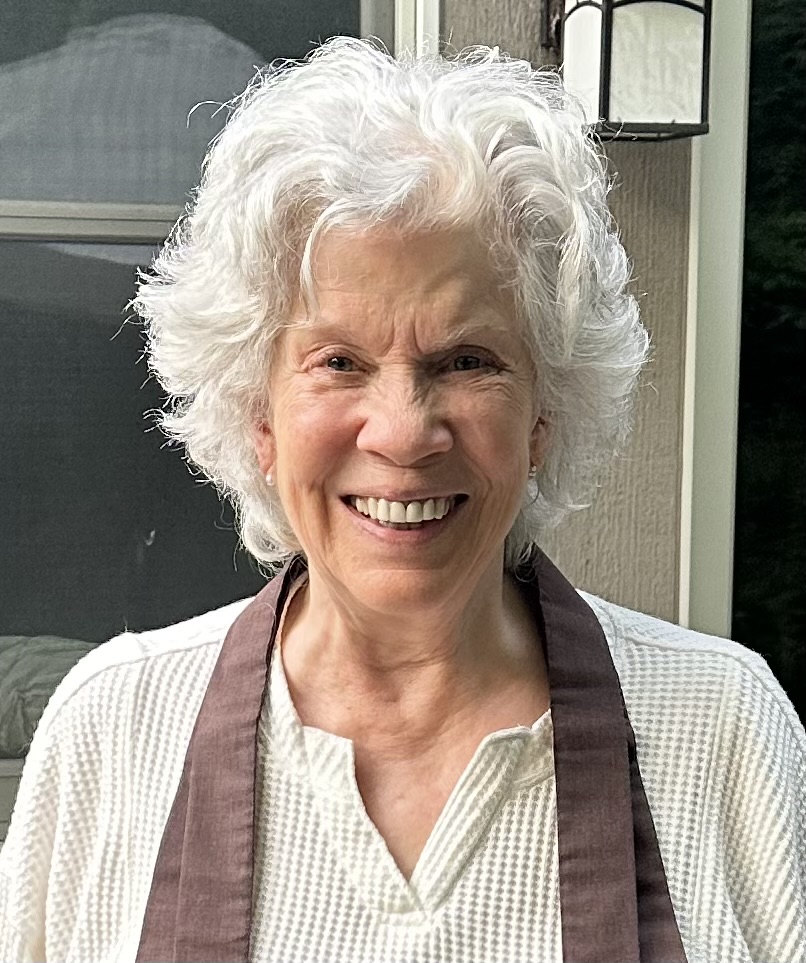
Sojin Diane Martin, Roshi is the founder and guiding teacher of the Udumbara National Sangha, which TRZC is part of. She currently lives with her husband Tom and teaches at the Indian Creek Zen Farm Hermitage located in Ottawa, Illinois where she hosts retreats and runs the Buddhist Education Institute.

Seiso, Paul Cooper, Roshi, Founding Teacher, is a member of the Soto Zen Buddhist Association & the American Zen Teacher’s Association. He has studied and practiced in both the Soto and Rinzai Zen traditions. He received precepts in 2000. Seiso was ordained as a priest and dharma transmitted in the Soto Zen Buddhist lineage of Dainin Katagiri. Seiso is a Member and certified as a dharma teacher by the Soto Zen Buddhist Association. Seiso is also a practicing psychoanalyst and an award-winning author and poet. He recently published the critically acclaimed The Zen Impulse and the Psychoanalytic Encounter (2010); and Zen Insight, Psychoanalytic Action: Two Arrows Meeting (2019).Seiso Roshi is available to provide one-on-one and group teachings at your location and via internet. He maintains a private practice in Montpelier, Vermont. For further information leave a comment below.

Kagayaki, Karen Morris, Sensei is a co-founder of Two Rivers where she serves as a transmitted lay teacher. She is a psychoanalyst in private practice in Montpelier, Vermont, an award-winning poet, and the author of numerous articles on psychoanalysis and poetics. She received the Gradiva Award (NAAP, 2010) for her article “Torture and Attachment: Conscience and the Analyst’s World-Seeing Eye,” which addresses psychologist’s participation in state sanctioned torture in Abu Ghraib through the lens of classical Persian and Sufi poetry. Her poetry collection, Cataclysm and Other Arrangements , published by Three Stones Press (2014) received the Gradiva Award for Poetry (2015). She serves as an Ambassador of Hope for Shared Hope International in their efforts to eradicate sex trafficking through public education and activism. For further information: http://www.sharedhope.org.
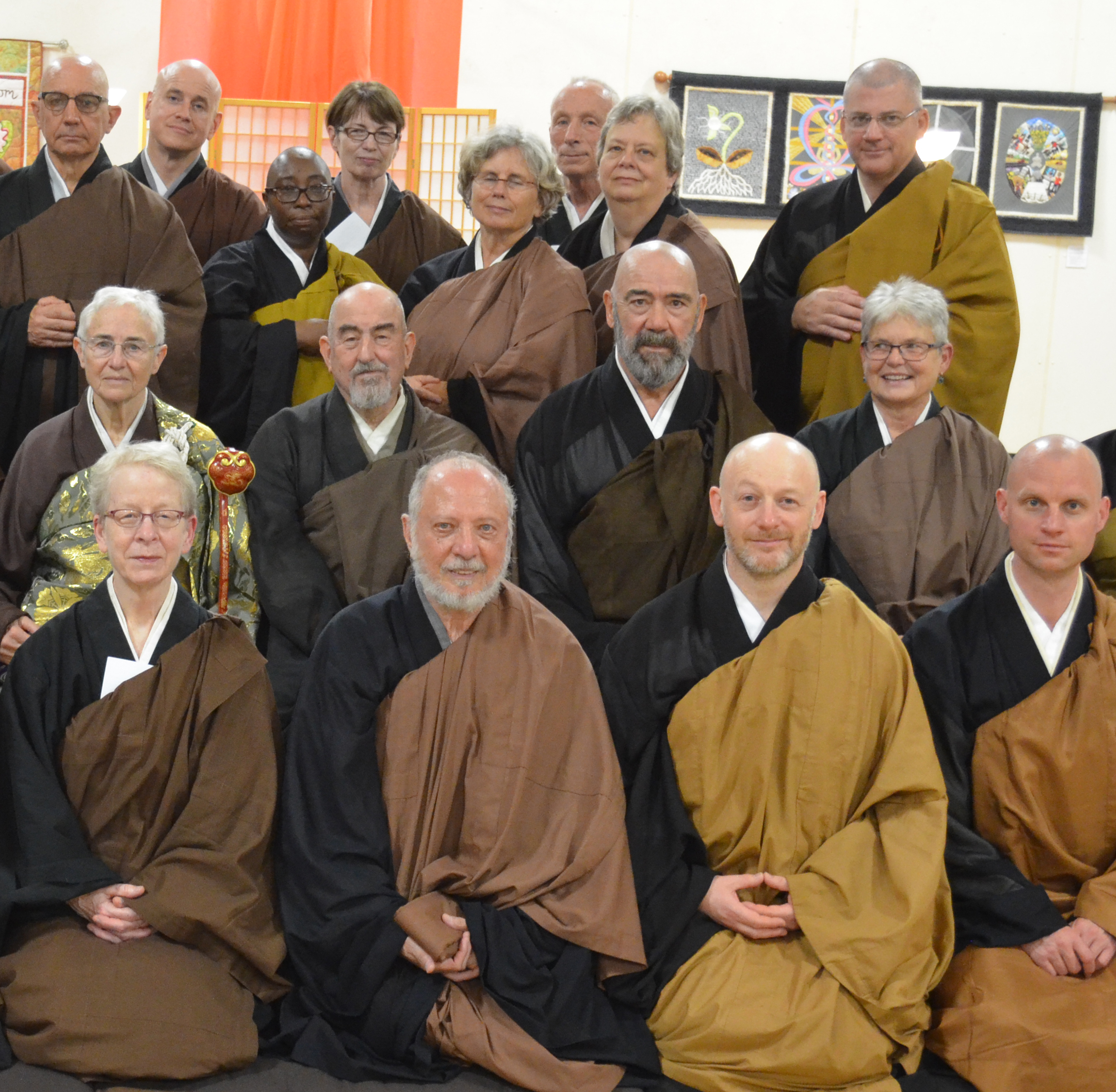
Seiso Roshi at Dharma Heritage Ceremony & Certification with fellow teachers, November 2016, Camp Courage Minnesota
 Two Rivers Zen Community: